
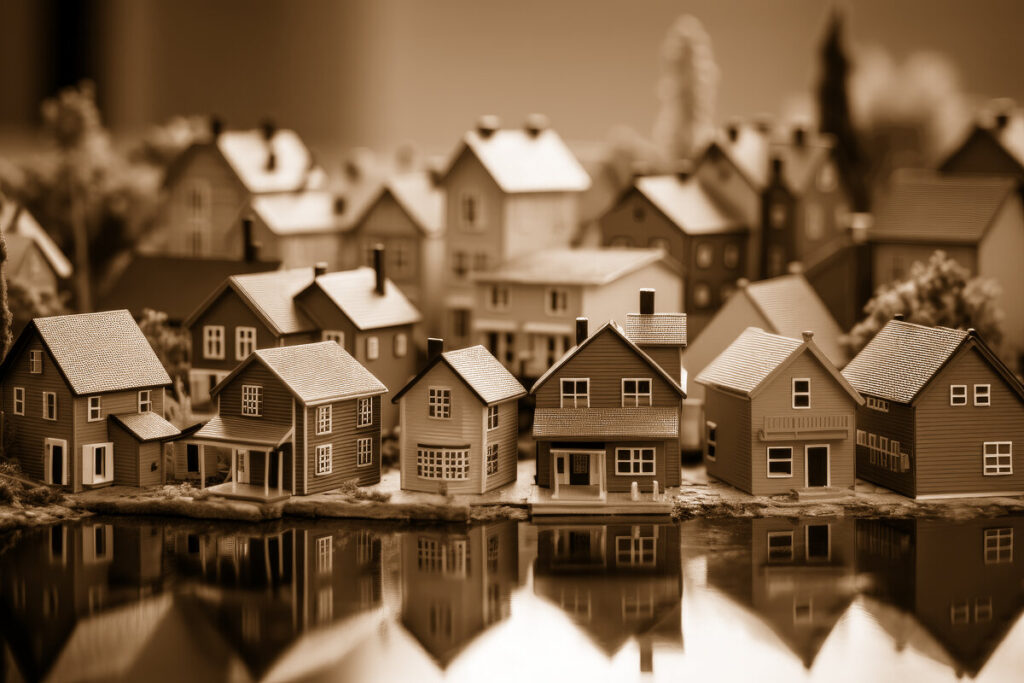
Nestled along the northern shore of Long Island, Bayville stands as one of Oyster Bay’s most beloved and historic neighborhoods. With its scenic vistas, eclectic homes, and strong sense of community, Bayville is more than just a picturesque waterfront village — it’s a place whose rich heritage echoes through every street and shoreline. Whether you’re a newcomer or a lifelong resident, the story of Bayville is one worth knowing and cherishing.
Origins: From Shellfish to Settlement
Bayville’s history is inseparable from the waters that surround it. Long before its modern incarnation, this area was home to the Matinecock tribe, who thrived on the abundant clam and oyster beds of Oyster Bay Harbor and Long Island Sound. Archeological finds along Bayville Avenue and Ludlam Avenue reveal shell middens—testaments to centuries of Native American stewardship.
The first European settlers arrived in the mid-1600s. Drawn by the area’s natural harbor, fertile land, and, of course, rich shellfish beds, they began to lay the foundation for what would become Bayville. Fishing and farming dominated village life for generations, shaping the rhythms and identity of the community.
The Name “Bayville”: A Village by the Bay
While the region was commonly known as “Sand Hole” or “Pine Island” throughout the 18th and early 19th centuries, its modern name came about in the late 1800s. As the population grew and the waterfront became a popular summer retreat, a new name was needed to reflect the village’s charm and geography. “Bayville” — quite literally, a town by the bay — was adopted, capturing both the beauty and the welcoming spirit of the neighborhood.
Key Historical Milestones
Bayville’s journey from a sleepy fishing hamlet to a dynamic residential community is marked by meaningful milestones:
- Early 1900s: Seasonal Retreats
Bayville attracted wealthy New Yorkers seeking a summer escape. Grand cottages and inns, such as those along Shore Road and Mountain Avenue, sprang up to accommodate guests. The scenic steamer pier at Centre Island became a gateway for visitors.
- 1922: Village Incorporation
With the influx of summer residents and growing year-round population, Bayville was officially incorporated as a village in 1919. This move gave locals more autonomy over zoning, development, and services, a pivotal moment in Bayville’s development.
- The Depression and Postwar Growth
The 1930s and 1940s saw a shift as more families decided to make Bayville their permanent home, drawn by a strong sense of community, affordable living, and beautiful surroundings.
- Hurricane of 1938
The infamous Long Island Express hurricane swept over Bayville, flooding Pine Lane, Bayville Avenue, and many waterfront blocks. The resilience shown by residents in its aftermath gave rise to an even stronger community spirit.
- Modern Revitalization
In recent decades, Bayville has seen revitalization projects—most notably the renovation of West Harbor Beach and the transformation of several historic buildings into restaurants and shops.
Notable Landmarks and Buildings
Bayville is graced with historic structures and gathering places that reflect its rich past:
- The Bayville Bridge
Crossing the Mill Neck Creek, the iconic Bayville Bridge (built in 1938 and reconstructed in later decades) connects Bayville to Oyster Bay. More than just a roadway, it’s a symbol of the village’s link to the wider world.
- Stehli Beach
Once part of the luxurious Stehli Estate, Stehli Beach off West Shore Road is beloved for its serene sands and sweeping views of the Sound. Once private, it now welcomes all who wish to enjoy its tranquil beauty.
- Crescent Beach Club and Waterfront Houses
Grand old mansions and lovingly maintained cottages—particularly those lining Bayville Avenue—reflect the area’s heyday as a seasonal playground for New York’s elite.
- Village Hall & Fire Department
Situated on Bayville Avenue, Village Hall and the historic volunteer firehouse serve as the heart of Bayville’s civic life.
Parks, Nature, and Community
Few neighborhoods can match Bayville’s blend of natural beauty and neighborly warmth:
- West Harbor Memorial Park
At the western edge of Bayville, this popular park hosts summer concerts, family picnic days, and the long-running Bayville Fireworks Display. With its shaded picnic groves and children’s playground, it’s a hub of village life all year.
- Ransom Beach
Overlooking the Sound, Ransom Beach provides public access to the water, with lifeguards, volleyball courts, and unforgettable sunsets over the horizon.
- Locust Valley Library Annex
Residents often gather at the local library annex, where community groups trace Bayville’s genealogy, digitize historic photos, and share stories from generations past.
Evolution Over the Decades
Walk along Godfrey Avenue or West Shore Road today and you’re just as likely to see families playing in front yards as you are retirees enjoying the salt air. New homes blend with bungalows built in the 1920s, and independent shops dot the village center. Bayville has transformed from a summer colony to a vibrant, year-round neighborhood, yet it has always honored its roots.
Events like the Bayville Adventure Park’s Halloween “Scream Park” and the annual Bayville Village Fair are newer traditions that bring together young and old, fostering the same close-knit spirit that has defined this coastal community for more than a century.
Why Locals Love Bayville
Ask a longtime resident what makes Bayville special, and you’ll hear stories of midnight swims in the Sound, Fourth of July parades winding down Bayville Avenue, and the simple pleasure of watching ospreys dive for fish along the causeway. It’s the blend of history, natural splendor, and a community that looks out for its own that shapes Bayville’s enduring appeal.
As Bayville moves confidently into the future, its heritage remains ever-present—a living thread woven through every family, every street, every sunlit beach. It’s a rare place where the past and present truly meet by the bay.